
Cut Your Operational Costs by 30–70%
AI-driven automation and embedded engineering squads designed to eliminate structural inefficiency
See the Approach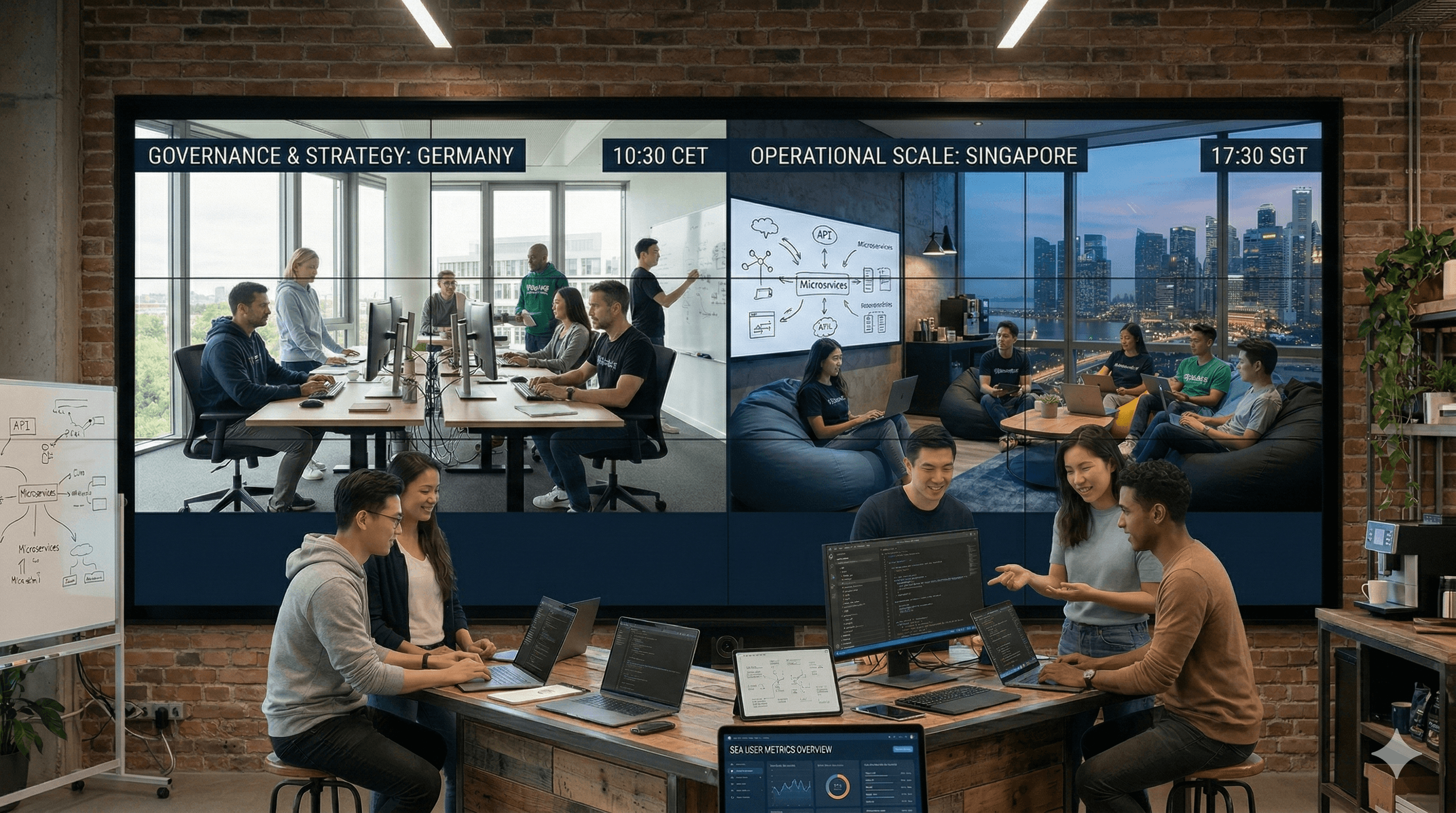
Digital platforms scale fast. Cost structures scale faster.
Engineering headcount increases to meet delivery pressure. Manual operational workflows remain embedded in critical systems. Legacy architecture accumulates maintenance overhead. Vendor ecosystems expand without consolidation. Cloud infrastructure grows without continuous optimization.
The result is predictable: rising operational expenditure without proportional output.
Gradion helps organizations redesign their engineering and operational structures to reduce OpEx by 30–70% — without compromising security, compliance, or delivery velocity.
Operational Cost Escalation Is a Structural Problem
Most organisations attempt incremental improvements when costs rise. They renegotiate vendor contracts. They reduce hiring. They slow roadmap execution.
These actions rarely solve the underlying issue.
Operational inefficiency is structural. It is built into how software is delivered, maintained, and scaled.
True cost reduction requires:
- Automation of repeatable workflows
- Engineering productivity optimisation
- Architectural simplification
- Vendor and team consolidation
Without structural redesign, cost cutting introduces fragility. With it, efficiency compounds.
The Gradion Cost Optimisation Framework
AI-Driven Operational Automation
As platforms scale, reporting, testing and compliance stay manual, draining capacity. Gradion applies AI automation to cut overhead, speed delivery, and eliminate repetitive work.
Embedded Engineering Squads
Fragmented vendors and unclear ownership drive inefficiency. Gradion embeds dedicated squads aligned to your standards, with German governance and ISO delivery to cut cost per outcome.
Architecture and Platform Rationalisation
Legacy systems and redundant tools quietly increase costs. Gradion streamlines infrastructure, removes excess platforms, and simplifies code to reduce maintenance spend and improve resilience.
What 30–70% Cost Reduction Means in Real Terms
Operational expenditure in digital platforms typically includes:
- Engineering payroll
- Vendor contracts
- Infrastructure and cloud costs
- Quality assurance overhead
- Manual operational processes
When automation, squad optimisation, and architectural rationalisation are implemented together, organisations commonly achieve efficiency gains between 30% and 70% depending on maturity and structural complexity.
For a platform operating with €3–5M in annual engineering and operational spend, this translates into €1–2.5M in potential annual savings.
Importantly, these savings are not achieved through degradation of delivery. They are achieved through elimination of structural inefficiency.
Efficiency gains compound over time.
Why Traditional Cost Cutting Fails
Conventional cost reduction initiatives often fail because they focus on headcount rather than structure.
Reducing teams without redesigning workflows increases pressure on remaining engineers. Switching to low-cost vendors without governance increases technical debt. Pausing investment in architecture increases future maintenance burden.
Gradion approaches OpEx reduction differently.
Cost efficiency must:
- Preserve delivery velocity
- Maintain security and compliance standards
- Protect architectural integrity
- Strengthen long-term scalability
When efficiency is designed into the system, cost reduction strengthens the organisation rather than weakening it.
Global Engineering. European Governance.
Gradion operates with architectural leadership and governance anchored in Germany, supported by scalable engineering teams across Southeast Asia.
This model delivers:
- Structured sprint discipline
- Follow-the-sun productivity cycles
- Long-term knowledge retention
- ISO 27001-certified processes
- Secure development environments
More than 320 engineers operate within this framework, supporting platforms processing over $10B in annual GMV.
The objective is not simply lower cost. It is higher output at lower structural expenditure.
Engagement Model
Step 1: 2-Week Cost Review
We evaluate operational workflows, engineering structures, vendor ecosystems, and infrastructure efficiency
Step 2 — Efficiency & Automation Roadmap
A structured plan identifies automation opportunities, squad restructuring, and architectural optimization priorities
Step 3 — Embedded Squad Deployment
Dedicated engineering teams integrate directly into your delivery model
Step 4: Cost Optimisation Cycles
Savings are tracked against defined milestones within the first 90 days and refined continuously
Reduce Operational Costs Without Reducing Performance
Operational expenditure should scale with growth, not erode margins. Gradion helps digital-first organizations redesign engineering and operations for lasting cost efficiency, higher productivity, and stronger architecture. If rising OpEx limits strategic flexibility, the first step is clarity.