
Where execution meets intelligence.
We share the strategies, technical decisions, and hard-won lessons from our projects so your team doesn't have to learn everything the expensive way.


Embedded vs Outsourced: The Engineering Model Difference APAC CTOs Need to Understand
APAC CTOs choosing between embedded and outsourced engineering teams need to understand how each model affects delivery speed, quality control, and long-term capability. Here is the difference that determines engineering outcomes.
 Rosie Nguyen·6 Sept 2026
Software Development Partner Singapore: What to Look For in 2026
Singapore companies selecting a software development partner in 2026 should evaluate delivery accountability, engineering seniority, and governance structure before pricing. Here is how.
Rosie Nguyen·5 Sept 2026
Vietnam Is ASEAN's Engineering Hub. Here Is the Data.
Vietnam produces 50,000 engineering graduates per year, ranks in the global top tier for technical assessments, and sits within one time zone of Singapore. The data makes the case.
Rosie Nguyen·4 Sept 2026
How to Build a Vietnam Engineering Team That Performs at Enterprise Scale
Companies that build high-performing engineering teams in Vietnam treat it as a structural decision, not a staffing one. Here is the sequence that produces enterprise-scale results.
Rosie Nguyen·3 Sept 2026
AI on the Shop Floor: What "Ready" Actually Means for ASEAN Manufacturers
ASEAN manufacturers preparing for AI on the factory floor need four conditions before any deployment: consistent processes, clean data, defined ownership, and a specific measurable outcome. Without them, pilots stall.
Rosie Nguyen·2 Sept 2026
Why APAC CTOs Are Rethinking Engineering Capacity Before Year-End
APAC CTOs are closing engineering capacity gaps before Q4 budget cycles lock. Here is why September is the decision window and what a structured review looks like.
Rosie Nguyen·1 Sept 2026
CRM Data Residency in Vietnam: Where Your Customer Data Actually Goes
Most companies cannot say which country their customer records sit in, or where AI features process them. A data flow map for Vietnamese businesses.
Rosie Nguyen·31 Aug 2026
Industry 4.0 Implementation: Where to Start If Your Factory Is Behind
Start with data visibility, not automation. Connect existing machines to capture real-time output and quality before investing in AI or robotics.
Rosie Nguyen·31 Aug 2026
The EU Carbon Border Adjustment Mechanism: What DACH and Vietnamese Manufacturers Need to Know
CBAM puts a carbon price on steel and aluminum entering the EU from 2026. Vietnamese exporters must document emissions; DACH importers are legally liable and must buy certificates.
Rosie Nguyen·30 Aug 2026
Quality 4.0: How Digital Quality Management Is Replacing Manual Inspection on the Factory Floor
Quality 4.0 replaces manual inspection with automated data that prevents defects instead of just detecting them. Manufacturers adopting it cut defect rates and rework cost.
Rosie Nguyen·29 Aug 2026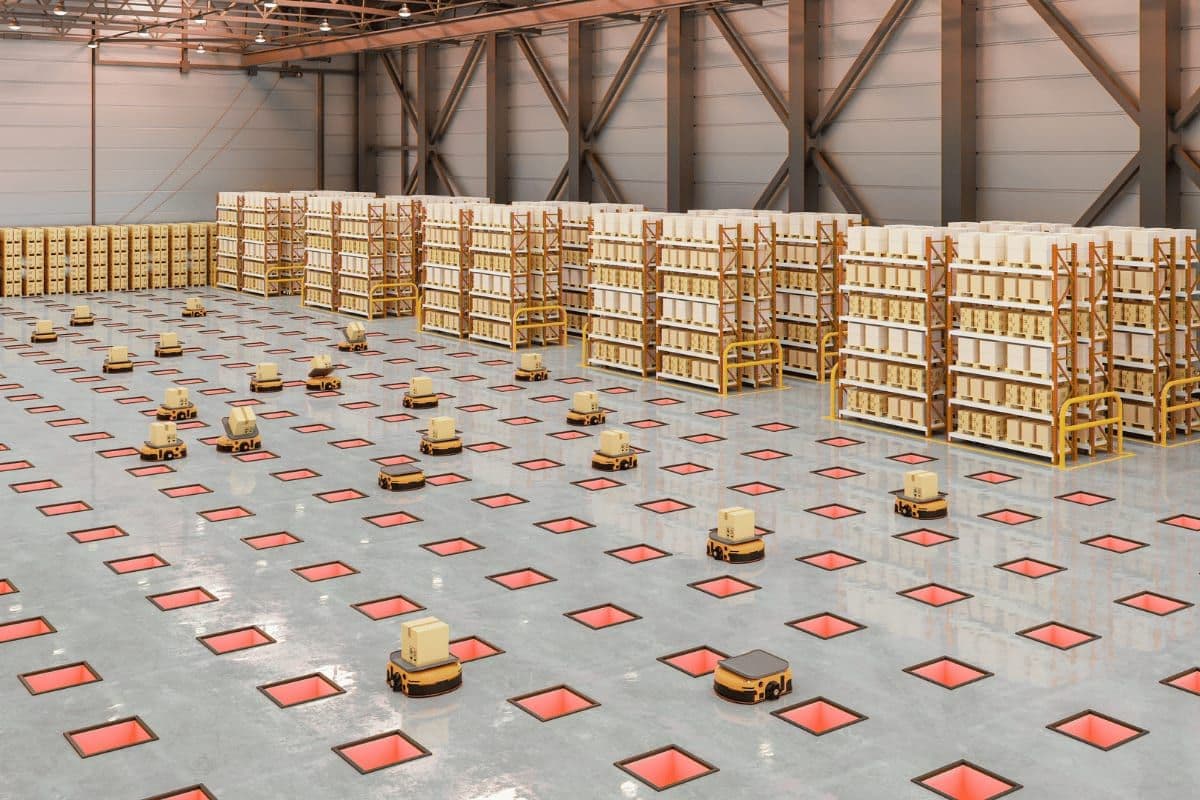
How to Choose an AGV or AMR Provider: What to Evaluate Beyond the Demo
A demo shows what a vehicle can do on a clean floor. It does not show local service capability, FMS flexibility, or integration depth, the criteria that actually predict deployment success.
Rosie Nguyen·28 Aug 2026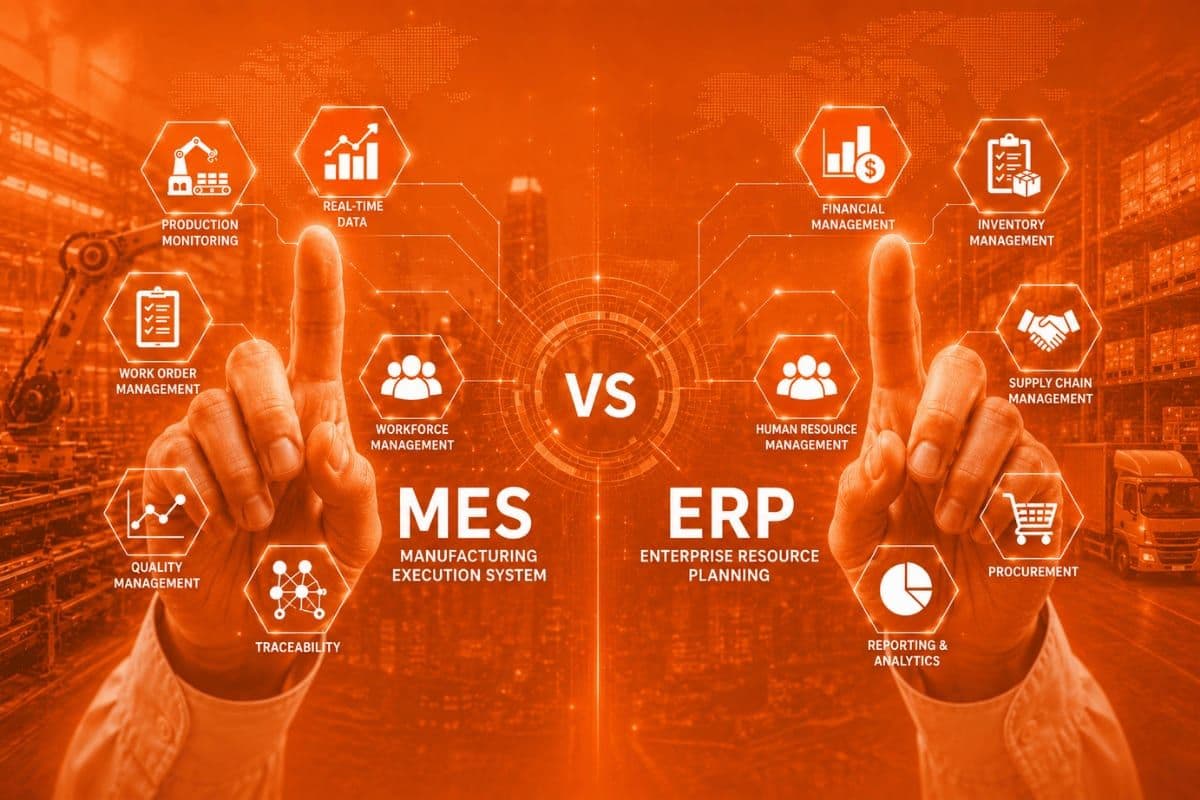
MES vs ERP: What Is the Difference and Do You Need Both?
An ERP runs your business. An MES runs your production floor. Most manufacturers need both, integrated. Here is how to tell which one you need first.
Rosie Nguyen·27 Aug 2026